
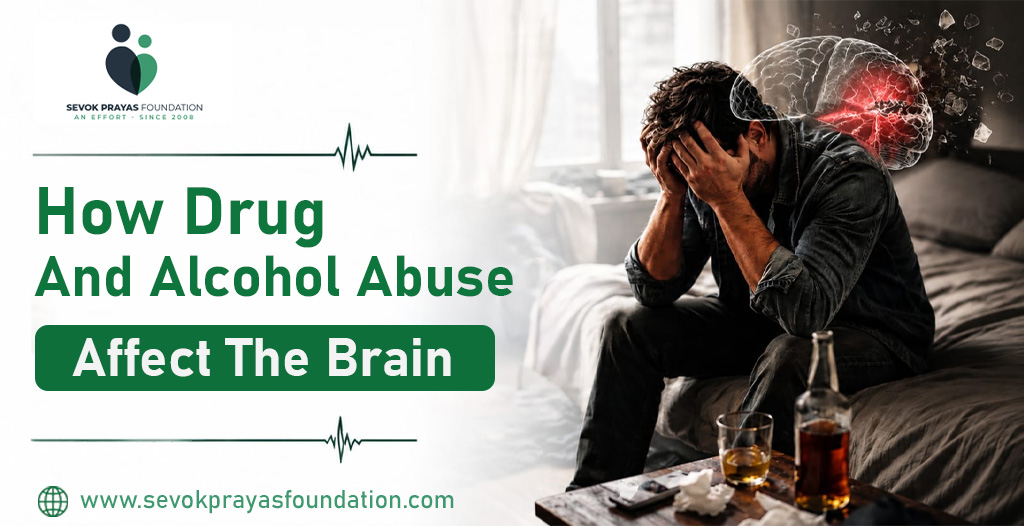
There is often a misconception that addiction is merely a matter of willpower. However, over time, the brain undergoes significant chemical changes due to drug or alcohol use that alter one’s thoughts, feelings, and decision-making. It is critical to understand the science of the brain in reducing stigma and appreciating the value of professional help in the process of recovery. At Sevok Prayas, a leading drug and alcohol rehabilitation facility located in Siliguri, we emphasize the importance of understanding addiction from an intellectual perspective in helping patients and their families during their journey toward recovery.
The Brain's Reward System: Where Addiction Begins
Addiction arises from the brain’s reward system which specifically includes dopamine, a neurotransmitter that is supposed to be present as a response to positive experiences, such as eating, socializing, or achieving something. When one consumes drugs and alcohol, however, these substances disrupt the workings of the reward system by inducing even greater amounts of dopamine release as compared to natural rewards. In the end, however, the brain learns to associate substance consumption with pleasure, activating a desire to repeat the same experience over and over again despite the harmful aftereffects substances bring.
How the Brain Changes With Continued Use
1. Reduced Natural Dopamine Sensitivity
With continual use of substances, the brain often counteracts this blockage by lowering the amount of dopamine it produces or the number of its receptors. As a result, things that would have provided enjoyment – such as leisure activities, social life, good times, and accomplishments – no longer offer much pleasure, while drugs still do.
2. Impaired Decision-Making and Impulse Control
The prefrontal cortex, the brain region responsible for planning and decision-making processes, is very sensitive to the long-term effect of drugs on the brain. It impairs the ability to resist temptations, and thus, when under the influence of a substance, a person gets more enjoyment out of it than from usual activities.
3. Heightened Stress Response
Substance use also disturbs the stress response system of the brain, resulting in greater anxiety and emotional instability in a person, particularly in the course of being without the drug. This, for example, accounts for the seriousness of withdrawal symptoms of psychological nature but not just of a physical one.
4. Memory and Learning Disruption
Some compounds, such as alcohol, affect the brain’s hippocampus. This area is crucial for memory creation. Long-term regular use is linked to memory issues and more severe outcomes affecting memory and cognition.
5. Changes in Emotional Regulation
Moreover, areas responsible for sentiment processing like the amygdala can also be affected by constant substance abuse, which leads to a heightened emotional response, frequent mood shifts, and problems controlling stress without the help of the substance.
Why This Matters for Recovery
Recognition of these changes in the brain enables us to grasp a few significant truths about addiction:
- Addiction cannot be regarded simply as a deficiency of willpower because, in essence, the functioning of the reward and decision-making systems in the brain changes significantly which makes quitting more complicated, than just making a decision.
- Cravings are a genuine neurological reaction rather than a manifestation of psychological weakness and that explains why structured professional help is often more effective than attempting to quit alone.
- The process of recovering takes time since the brain needs time to heal. A lot of those changes can be reversible providing that one manages to abstain from abusing substances for a long period of time and receives proper assistance but healing doesn’t happen instantly.
That is the reason why the complex rehabilitation therapy in Siliguri is not only aimed at getting rid of the addiction, but also at providing a rightful support for the brain and the mind during the process of recovery.
How Professional Treatment Supports Brain Recovery
In Siliguri, a dedicated de-addiction center utilizes a specific approach to treat addiction, which includes:
- Medical care during withdrawal to help keep symptoms controlled.
- Therapeutic techniques, aimed at identifying the cause of the addiction, behavioral patterns and coping methods.
- Establishment of daily habits that contribute to establishing stability.
- The family involvement to create the foundation for the future recovery.
- Methods of prevention of relapse, so that the person is armed with skills to deal with cravings and risky situations.
Regardless of whether the person suffers from a substance abuse issue or is looking for alcohol treatment in Siliguri, this approach highlights the importance of healing of both brain and mind.
The Path Forward: Recovery is Possible
Even though addiction produces actual alterations in the brain, studies indicate that several of these alterations can recover dramatically thanks to prolonged recovery and appropriate help. The brain is capable of incredible recovery due to the right treatment, emotional support, and time spent without substances. Recovery is not merely about discontinuing a behavior; it is rather about getting the brain and the body back to its regular functioning gradually.
Frequently Asked Questions (FAQs)
Q1: Can the brain fully recover from the effects of long-term substance abuse?
Q2: Why do cravings feel so intense, even long after someone stops using?
Q3: Is addiction really a brain disease, or is it a matter of choice?
Q4: How does therapy help repair the effects of addiction on the brain?
Q5: How long does it typically take for brain function to improve after quitting?
Final Thoughts
Grasping the way drugs and alcohol work on the mind helps to change the dialogue about addiction from one of condemnation to one of real understanding. There are significant alterations in how the brain works, which does not denote a mere choice made by a specific person. With proper backing from professionals providing substance abuse rehabilitation, patients will be able to overcome their condition more easily.