
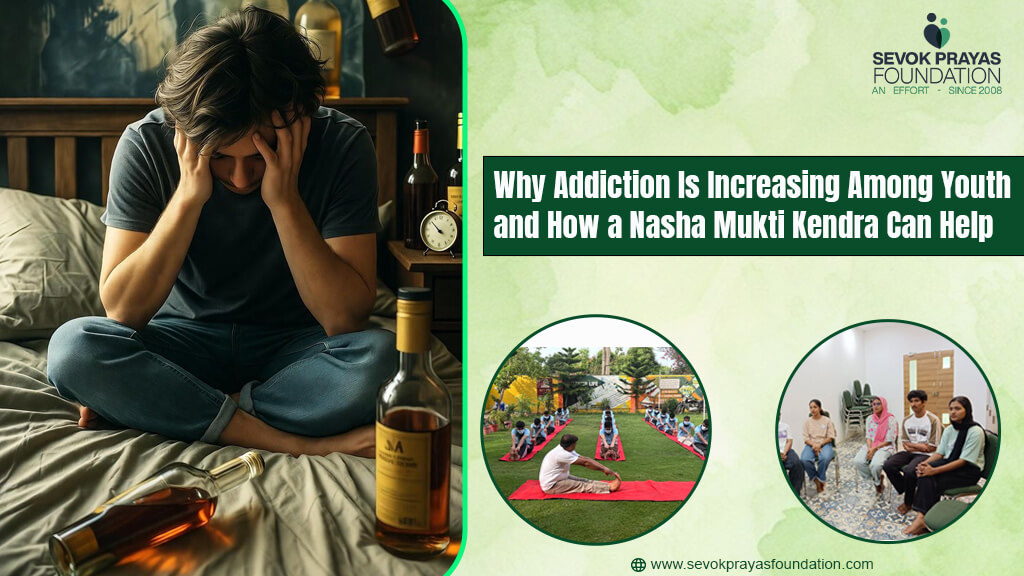
Kids as young as eleven. That’s what the latest survey found.
A major study across ten Indian cities—Delhi, Mumbai, Bengaluru, and seven others—just revealed something parents need to hear. Average age when children first try substances? 12.9 years. Not college students. Middle schoolers.
We’ve run Sevok Prayas Foundation as a nasha mukti kendra in Siliguri since 2008. Started with ten beds. Now twenty-five. Back then, most clients were thirty-five, forty years old. Now? The average age keeps dropping yearly. Something’s gone wrong.
Numbers That Should Worry Every Parent
The National Medical Journal of India published findings from nearly 6,000 students recently. One in seven had tried some substance at least once. After tobacco and alcohol, opioids came third—not cannabis like most assume.
Here’s what hits hardest. Pharmaceutical opioids without prescription showed an initiation age of 12.5 years. Inhalants even younger—11.3 years average.
Ninety-five percent of these kids know drugs cause harm. They’ve heard the warnings. Still, fifteen percent use anyway. Knowing isn’t enough apparently.
Government reports estimate 2.3 crore Indians use opioids. A substantial chunk falls below twenty-five years old. These aren’t just statistics. Broken families behind each number. Futures derailed before starting.
Why Young People Fall Into This
Young people fall into addiction due to various reasons such as peer pressure, stress, curiosity and anxiety. Lack of proper guidance increases the risk.
Pressure From Every Direction
Academic stress starts earlier now. Board exams. Entrance tests. Competition for college seats is getting brutal. Parents expecting results. Society measures worth through achievements only. That pressure needs an outlet somewhere. Some kids find healthy ones—sports, music, friends. Many don’t. Substances become escape routes from feelings that seem unbearable otherwise.
Family Influence Nobody Discusses
The survey found forty percent of students reported tobacco or alcohol use happening at home. Children watch. Children learn. Normalization happens quietly over dinner tables. Past-year substance users reported significantly higher substance use among family members compared to non-users. Connection isn’t coincidental.
Peer Circles
Users showed far higher likelihood of having friends who consume substances. Peer influence works both directions—toward use and toward recovery. Depends which circle someone lands in.
Easy Access
Nearly half the students surveyed said tobacco products remain easily available for someone their age. Over one-third said the same about alcohol. Procurement barriers have weakened considerably.
Warning Signs Parents Miss
Addiction announces nothing. Creeps in gradually.
- Grades slipping without obvious reason.
- Sleep patterns are completely off.
- Old friends abandoned for new circles nobody recognizes.
- Money disappearing.
- Mood swings are getting intense.
- Physical appearance is declining.
- Lying about whereabouts becomes constant.
Most parents notice something’s wrong. Many convince themselves it’s Everything alcohol, drugs, prescription pills people got hooked on after surgeries or injuries.
teenage stuff. Phase that’ll pass. By acceptance time, addiction has progressed badly.
Here’s the alarming part—only one percent of young users seek any help. One percent. Stigma and denial keep ninety-nine percent suffering silently. Early intervention matters enormously.
What Happens at Nasha Mukti Kendra?
People imagine dark places. Punishment. Forced confinement. That outdated image keeps families away longer than necessary. Modern rehabilitation centres work differently.
Proper Assessment First
Every addiction story differs. Our drug de-addiction centre Siliguri facility starts with thorough evaluation.
Medical Detoxification
The body needs clearing first. Withdrawal varies by substance—alcohol and opioid withdrawal especially can turn dangerous without supervision. Detoxification centers in Siliguri services provide round-the-clock monitoring. Medications manage symptoms safely.
Therapy That Actually Works
Detox handles physical dependence. Therapy handles everything underneath.
- Individual counselling for private conversations.
- Group therapy where shared understanding develops.
- Cognitive behavioral therapy for changing thought patterns.
- Family sessions because addiction affects everyone.
- 12-step framework providing ongoing structure.
Why Residential Treatment Works Better
- Removing All Triggers: Can’t recover surrounded by the same friends, same stresses, same access points. Residential stays at a rehabilitation centre in Siliguri remove triggers completely.
- Structure Missing From Chaotic Lives: Structured days feel restrictive initially. Then feel safe. Wake times. Meals. Sessions. Rest. Predictability overwhelmed systems desperately need.
- Others Fighting Same Battle: Living alongside people who understand creates bonds lasting beyond treatment. Young people especially respond to peer environments.
The Sevok Prayas Foundation Approach
Founded 2008. Over the years, our methods have been refined based on what actually produces lasting recovery. We follow a 12-step program combined with yoga, meditation, therapeutic interventions. Not punishment. Healing. People arrive from across India, Nepal, Bhutan, and Bangladesh. Both AC and non-AC accommodations available. Recreation during non-therapy hours. Strict confidentiality always.
FAQs
Q1. What substances does your nasha mukti kendra treat?
Q2. How long will treatment take?
Q3. Will anyone find out I'm here?
Q4. Can my family visit during treatment?
Q5. What makes Sevok Prayas Foundation different from other centres?
Conclusion
Researchers say interventions must begin earlier—ideally before middle school—to delay first use. Prevention matters. But for those already struggling, treatment exists.
Recovery is possible. We have witnessed it hundreds of times since 2008 at our nasha mukti kendra in Siliguri. Not magic. Proper treatment, genuine care, willingness to do difficult work.
Your child, your sibling, your friend—not lost causes. Help exists. Reach out. Ask questions. Recovery starts when someone decides they’re ready.
Sevok Prayas Foundation Nasha Mukti Kendra in Siliguri Since 2008